GALLERY GUIDE
Walk Through a Life
Four dramatically different gallery environments — each one a world unto itself — designed to make you feel the emotions of walking in Nelson Mandela’s shoes.
Four dramatically different gallery environments — each one a world unto itself — designed to make you feel the emotions of walking in Nelson Mandela’s shoes.
Today & Beyond
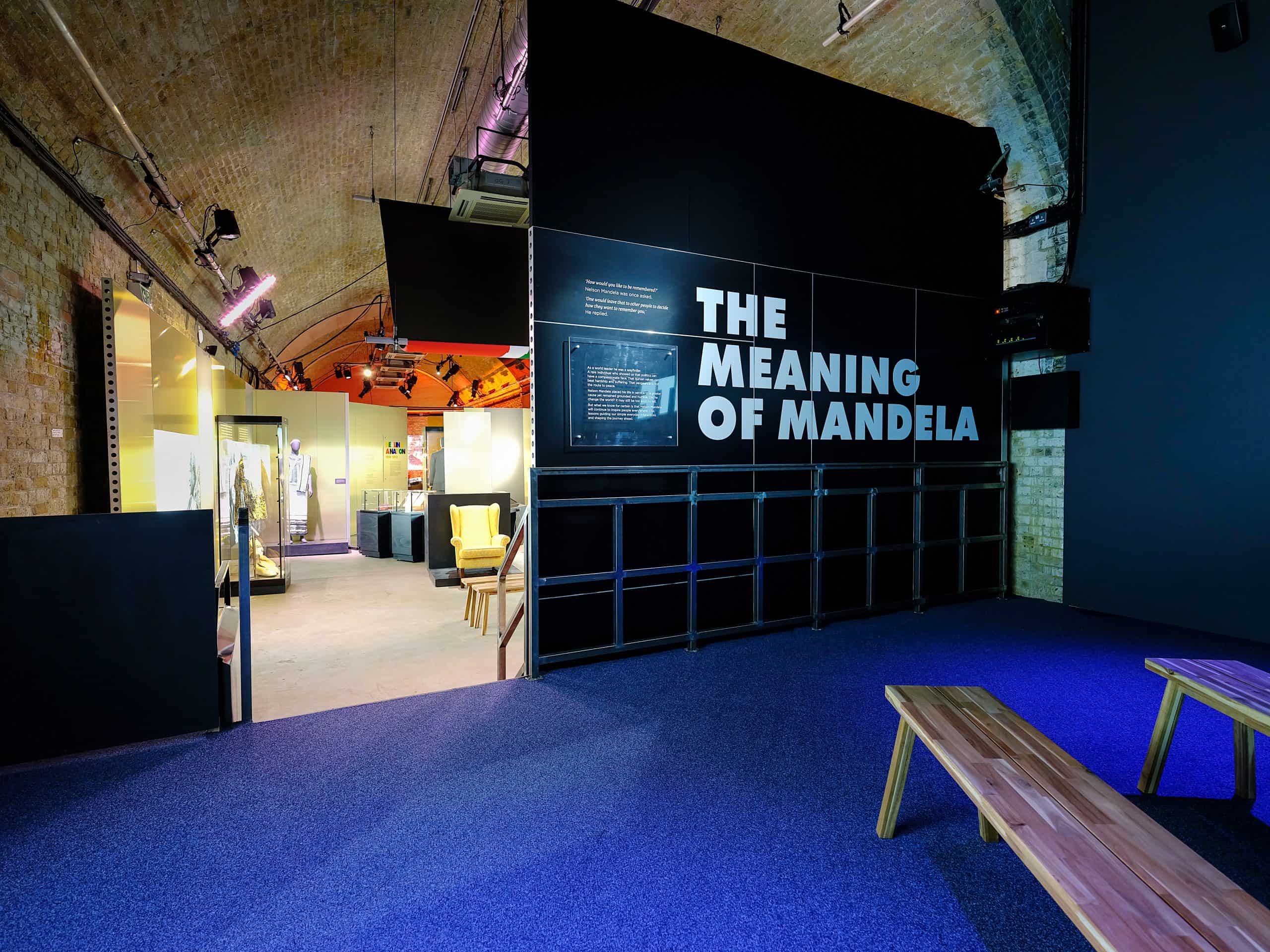
From a thatched rondavel, a circular family dwelling in the rolling hills of the Transkei to the global stage of the presidency, this exhibition has taken you through a life of extraordinary breadth and depth. You have walked through a childhood shaped by Thembu tradition and community, witnessed the rise of apartheid and one man’s decision to stand against it at any cost, endured 27 years of imprisonment that did not silence or break him, and experienced the breathtaking moment when a nation on the edge of civil war stepped back from the precipice. What you carry with you as you leave is not the story of a saint or a symbol — it is the story of a human being who chose, again and again, to act with courage, dignity, and grace. That choice is the meaning of Mandela.
Nelson Mandela’s legacy cannot be contained in a single gallery, a single object, or a single quote. It lives in the leopard headdress that connects him to his ancestors, in the censored letters he wrote to his children from Robben Island, in the Springboks shirt he wore to unite a fractured country, and in the quiet dignity of a man who forgave his jailers and invited them to his inauguration. The four experiences you have moved through are not separate chapters — they are a single unbroken thread running from his first breath in Mvezo to his final call to action: that the work is not finished, that the world still needs what he stood for, and that it is now in your hands.
Mandela: The Official Exhibition was brought to Dallas because his story is not only South Africa’s story. It is the story of every community that has faced injustice and chosen to fight back through solidarity, perseverance, and the refusal to stop believing in a better world. For Dallas — a city shaped by its own long reckoning with race, equity, and belonging — this exhibition is both a mirror and a challenge. Madiba himself narrates the final message: he loves each and every one of us, and he is counting on us. The question the exhibition ends with is the same one it began with: what does Nelson Mandela mean to you — and what will you do with that?
1918 – 1941
Step through a great tree and into a traditional South African rondavel — a thatched circular home — to discover the roots of one of history’s most iconic leaders. Explore Mandela’s Thembu heritage in the rural Transkei, the people and places that shaped him, and the cultural traditions that defined his philosophy.
1941 – 1961
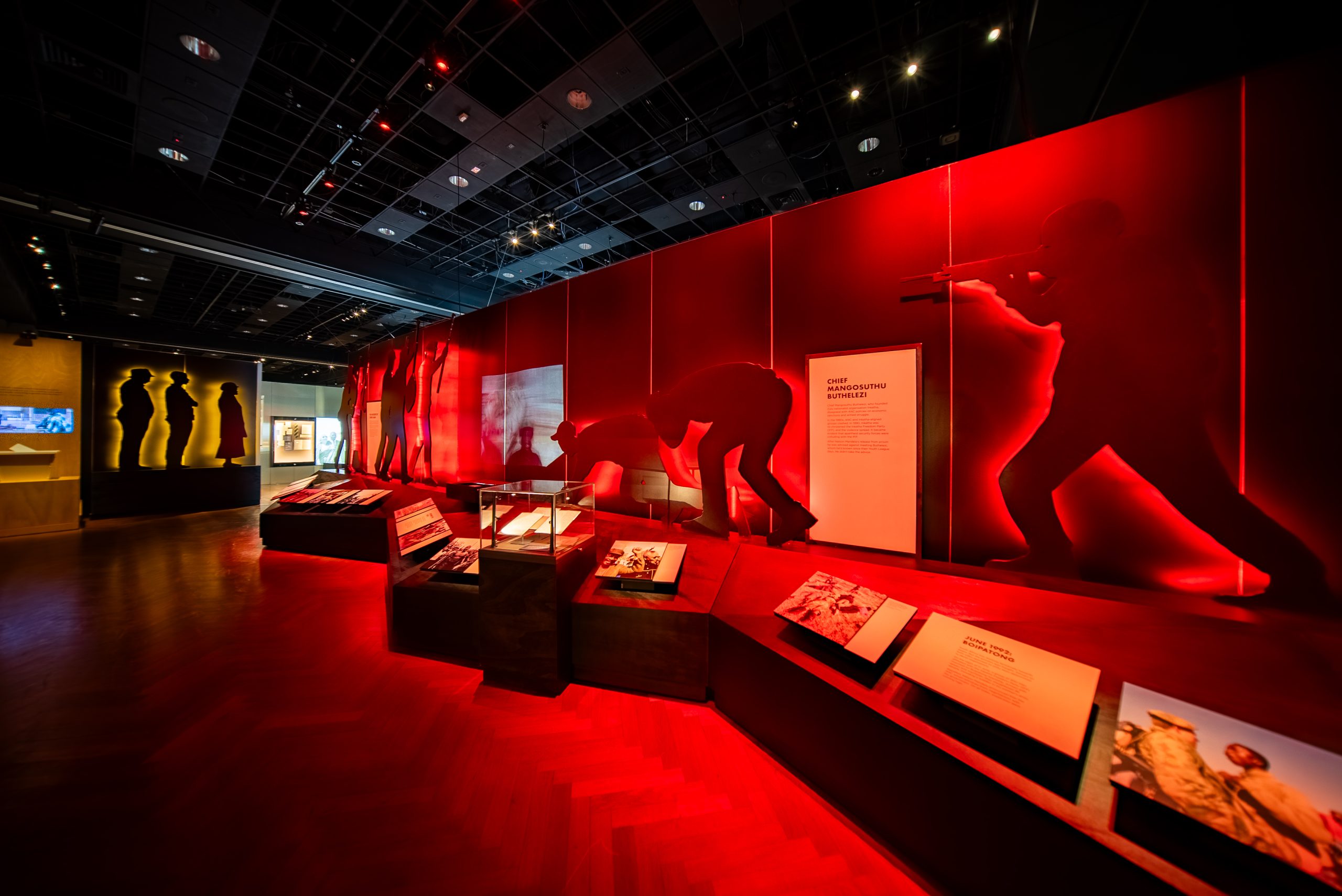
Leave the peaceful countryside behind and enter the stark, electric world of 1940s Johannesburg. This gallery confronts visitors with the machinery of apartheid — its laws, its signs, its violence — and traces Mandela’s transformation from a young lawyer into a rising force in the African National Congress.
1964 – 1990
Perhaps the exhibition’s most visceral gallery. After experiencing the Rivonia Trial, visitors step into a recreation of Robben Island — cold, austere, and hauntingly real. Actual bed mats from the prison cover the floor. The sounds of water and iron fill the air.
1990 – 2013
On February 11, 1990, Nelson Mandela walked out of Victor Verster Prison a free man. But South Africa was far from free. This gallery confronts visitors with the terrifying reality: the country teetered on the edge of civil war between 1990 and 1994.
After the historic 1994 election, the mood shifts. This gallery is filled with light, energy, and celebration. Visitors explore the presidency of South Africa’s first Black leader — the enormity of the task, the brilliance of the strategy, and the depth of his humanity.
June 13 – November 1, 2026
African American Museum Dallas